
Comprehensive Eye Exam at Dr. Newman Optometry in Beverly Hills CA
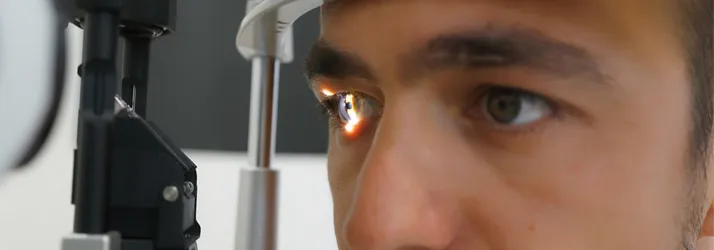
Did you know that approximately four in ten American adults are at high risk for serious vision loss? Despite this, many do not schedule regular visits with an eye doctor. Routine eye examinations are the key to detecting problems early and preserving your long-term vision.
At Dr. Newman Optometry, we provide thorough, comprehensive eye exams to ensure your eyes remain healthy and your vision stays clear.
Understanding the Purpose of a Comprehensive Eye Exam
A comprehensive eye exam is a complete evaluation of your vision and ocular health. During the examination, your eye doctor assesses every part of your eye, from the front surface to the delicate structures at the back, like the retina. This detailed approach enables early identification of even minor issues with your vision or eye health.
Your optometrist will measure how clearly you see at various distances to determine if you need glasses or contact lenses. They also screen for early signs of eye diseases that may not yet have symptoms. Many serious conditions, such as glaucoma and macular degeneration, develop without early warning signs. Detecting them at their earliest stages offers the best opportunity to protect your vision.
Your eyes also offer a unique window into your overall health. Conditions like high blood pressure, diabetes, and thyroid disease can sometimes be detected through changes in the eyes. For this reason, regular eye exams are an essential component of your general healthcare.
A comprehensive eye exam offers peace of mind, confirming that your vision and eye health are being professionally monitored. When performed annually, it helps maintain clear sight and lifelong eye wellness. At the conclusion of your visit, we will discuss your results and provide clear guidance on how to care for your eyes.
How Vision and Brain Function Work Together
Your eyes and brain work in close partnership to help you see, interpret, and respond to the world. When your eyes capture an image, your brain must process it instantly. If this connection is not seamless, you might experience symptoms like blurry vision, headaches, or difficulty focusing.
A comprehensive eye exam evaluates how well your eyes and brain work together. Your optometrist will test eye movements, focusing, and coordination to determine whether your brain is processing visual information correctly.
This evaluation is particularly important for children, who may not be able to describe vision problems but might struggle with reading or school performance if their eye-brain connection is inefficient. Adults can also experience similar challenges that impact their productivity at work or their ability to drive safely.
By improving communication between your eyes and brain, you can enhance focus, reading speed, and visual comfort. Through specialized treatments like vision therapy or custom lenses, your optometrist can strengthen this vital connection. This whole-body approach to vision care is a cornerstone of our practice at Dr. Newman Optometry.
What to Expect During Your Comprehensive Eye Exam
A comprehensive eye exam is a straightforward and comfortable process that evaluates every aspect of your vision. Each test provides your optometrist with important information about your eye function.
Here is what you can typically expect:
- Visual Acuity Test: You will read letters or identify shapes on a chart to measure the clarity of your vision at different distances.
- Eye Motility Test: The doctor will assess how well your eyes move together and track objects.
- Pupil Response Test: A light is used to observe how your pupils constrict and dilate.
- External Examination: The eyelids, cornea, and other outer structures of the eye are inspected for signs of dryness or infection.
- Internal Examination: Specialized instruments are used to view the retina, optic nerve, and blood vessels inside your eye.
- Glaucoma Screening: Your eye pressure is measured to detect early signs of glaucoma.
- Visual Performance Tests: These evaluations measure depth perception, color vision, and peripheral (side) vision.
The entire process is noninvasive and suitable for patients of all ages. Your optometrist will explain each step and answer any questions you may have.
Detecting Eye Diseases Early Through Detailed Evaluation In Beverly Hills CA
Many serious eye conditions develop without pain or obvious symptoms. A comprehensive eye exam allows your doctor to detect these diseases before they cause irreversible vision loss. Early detection is critical for effective treatment and management.
During the exam, your optometrist carefully examines the back of your eye, paying close attention to the retina and optic nerve. They look for signs of glaucoma, cataracts, macular degeneration, and other conditions that threaten sight.
Some diseases, like diabetic retinopathy, are directly linked to your systemic health. Your eye doctor may identify subtle changes in your eyes that indicate a broader health issue, even if you feel perfectly fine. When problems are found early, treatment can begin immediately to slow or prevent further damage.
Common Eye Problems Detected During a Comprehensive Exam
Many vision problems start small and get worse slowly, often without pain or warning. A comprehensive eye exam helps the doctor detect these issues early, when treatment is most effective.
Some common problems that exams can detect include:
- Nearsightedness (myopia): You can see close objects clearly but struggle with things far away.
- Farsightedness (hyperopia): Distant objects are clearer than close ones, making reading or near work harder.
- Astigmatism: The cornea’s shape causes blurry or distorted vision at all distances.
- Presbyopia: Age-related difficulty focusing on close-up tasks, such as reading.
- Dry eye syndrome: Caused by poor tear quality or low tear production, leading to irritation or burning.
- Eye allergies: Redness, itchiness, and tearing due to environmental triggers.
Finding these conditions early allows the optometrist to recommend the right lenses, treatments, or therapies. Some problems, like dry eye or astigmatism, can also affect comfort with contact lenses.
Routine eye exams help you stay aware of your vision changes before they impact daily life. With regular care, you can enjoy clear, comfortable sight for years to come — a key focus at Dr Newman Optometry.
The Role of Eye Exams in Monitoring Overall Health
Your eyes can tell a lot about what’s going on in the rest of your body. That’s why a comprehensive eye exam is about overall wellness.
Eye exams can reveal early signs of health conditions:
- Diabetes: Changes in the tiny blood vessels of the retina may appear before other symptoms.
- High blood pressure: Swelling or bleeding in the eye can indicate elevated pressure.
- High cholesterol: Yellowish deposits in the eyes may signal elevated cholesterol levels.
- Autoimmune diseases: Eye inflammation can be an early sign of arthritis or lupus.
- Thyroid problems: Bulging eyes or changes in movement may suggest thyroid imbalance.
Specialized Testing for Visual Performance and Comfort
Seeing clearly doesn’t always mean your eyes are working comfortably. A comprehensive eye exam includes special tests that measure how your eyes move and focus together. If they’re not working as a team, you might feel eye strain, headaches, or trouble focusing for long periods.
The optometrist checks how your eyes track moving objects and shift focus from near to far. You might also be tested for depth perception and eye coordination. These tests help find hidden vision problems that can make reading, computer work, or driving uncomfortable.
When an issue is found, the optometrist may recommend special lenses, exercises, or vision therapy. These treatments help your eyes work more efficiently and comfortably.
Improving visual performance doesn’t just reduce strain; it can also boost productivity and focus at school or work. Patients who receive this kind of care often notice they can read longer, stay more alert, and enjoy clearer, more relaxed vision throughout the day.
Advanced Technology Enhancing Eye Exam Accuracy
Modern technology has transformed how eye exams are performed. At Dr Newman Optometry, we use advanced diagnostic tools to get a detailed picture of your eyes with comfort and precision:
- Digital retinal imaging: Takes sharp, color images of your retina to track changes over time.
- Optical coherence tomography (OCT): Creates detailed 3D scans of the eye’s layers, helping detect diseases early.
- Corneal topography: Maps the shape of your cornea, useful for fitting contact lenses or detecting keratoconus.
- Visual field testing: Checks your side vision to detect signs of glaucoma or nerve damage.
- Automated refraction: Quickly finds your most accurate lens prescription.
These technologies help detect tiny changes that might go unnoticed in a basic exam. They allow the optometrist to monitor your eye health closely and catch potential issues early. Advanced technology ensures every patient receives accurate, safe, and preventive eye care, helping protect your vision for the long term.
How Digital Screen Time Affects Your Eyes
Nowadays, most of us spend hours looking at phones, computers, and TVs. While screens help us work and stay connected, too much time in front of them can cause eye strain and discomfort. This condition is called digital eye strain or computer vision syndrome.
You may notice the following symptoms:
- Dry or watery eyes.
- Blurry vision.
- Tired or heavy eyes.
- Trouble focusing between near and far objects.
These problems happen because your eyes work harder when focusing on screens for long periods. Blue light from devices can also irritate and disturb your sleep.
Small changes can make a big difference:
- Blink often to keep your eyes moist.
- Follow the 20-20-20 rule: every 20 minutes, look at something 20 feet away for 20 seconds.
- Adjust your screen brightness and position it slightly below eye level.
- Use artificial tears if your eyes feel dry.
- Take regular breaks and rest your eyes.
If your eyes often feel strained or tired, a comprehensive eye exam can help detect vision changes associated with screen use. The optometrist can recommend the right lenses or coatings to protect your eyes.
At Dr Newman Optometry, we provide personalized eye care to help reduce digital strain and keep your vision comfortable in today’s screen-filled world.
Eye Exams for Different Age Groups and Vision Needs
Every person’s eyes are different, and their vision change with age. That’s why a comprehensive eye exam is customized for each stage of life:
- For children, exams focus on how well their eyes work together, how well they track movement, and how well they focus on reading. Detecting vision issues early can prevent learning delays and boost confidence in school.
- Teens and adults often face strain from digital screens, long study sessions, or workplace tasks. Eye exams at this age help adjust prescriptions and prevent computer-related eye fatigue.
- For seniors, exams monitor age-related conditions such as cataracts, glaucoma, and macular degeneration. Early diagnosis helps preserve sight and independence.
The optometrist also considers your lifestyle, such as if you’re an athlete, spend long hours on screens, or need special lenses for hobbies or work. Each exam is tailored to fit your daily life and comfort. No matter your age, regular exams are the key to lifelong healthy vision and a better quality of life, which are among the main priorities at Dr Newman Optometry.
Meet Dr. Charlotte Newman
Dr. Charlotte Newman is the founder and chief clinical director of Dr. Newman Optometry and Vision Therapy. With over 29 years of experience, she has been dedicated to providing exceptional eye care in her private practice since 2009.
Dr. Newman earned her Doctor of Optometry degree from the Southern California College of Optometry in 1996. She focuses on providing personalized care for all ages and has extensive experience:
- Vision Therapy for children and adults
- Stroke and brain injury rehabilitation
- Computer Vision Syndrome and Dry Eye Disease
- Management of eye conditions like Rosacea and Blepharitis
- Specialty lenses to improve focusing and eye coordination
Dr. Newman is known for her thorough evaluations that go beyond a standard 20/20 test, especially for children with vision-related learning challenges. She takes the time necessary with each patient to ensure their vision is at its best.
If you have questions about your insurance or payment options, just call our office—we’re happy to help.
Schedule your comprehensive eye exam today and improve your eye health with expert care at Dr Newman Optometry in Beverly Hills CA!

OFFICE HOURS
Monday
10:00am - 6:00pm
Tuesday
10:00am - 6:00pm
Wednesday
10:00am - 6:00pm
Thursday
10:00am - 6:00pm
Friday
10:00am - 5:00pm
Saturday & Sunday
Closed

Dr. Newman Optometry
8314 Wilshire Blvd Ste A
Beverly Hills, CA 90211